


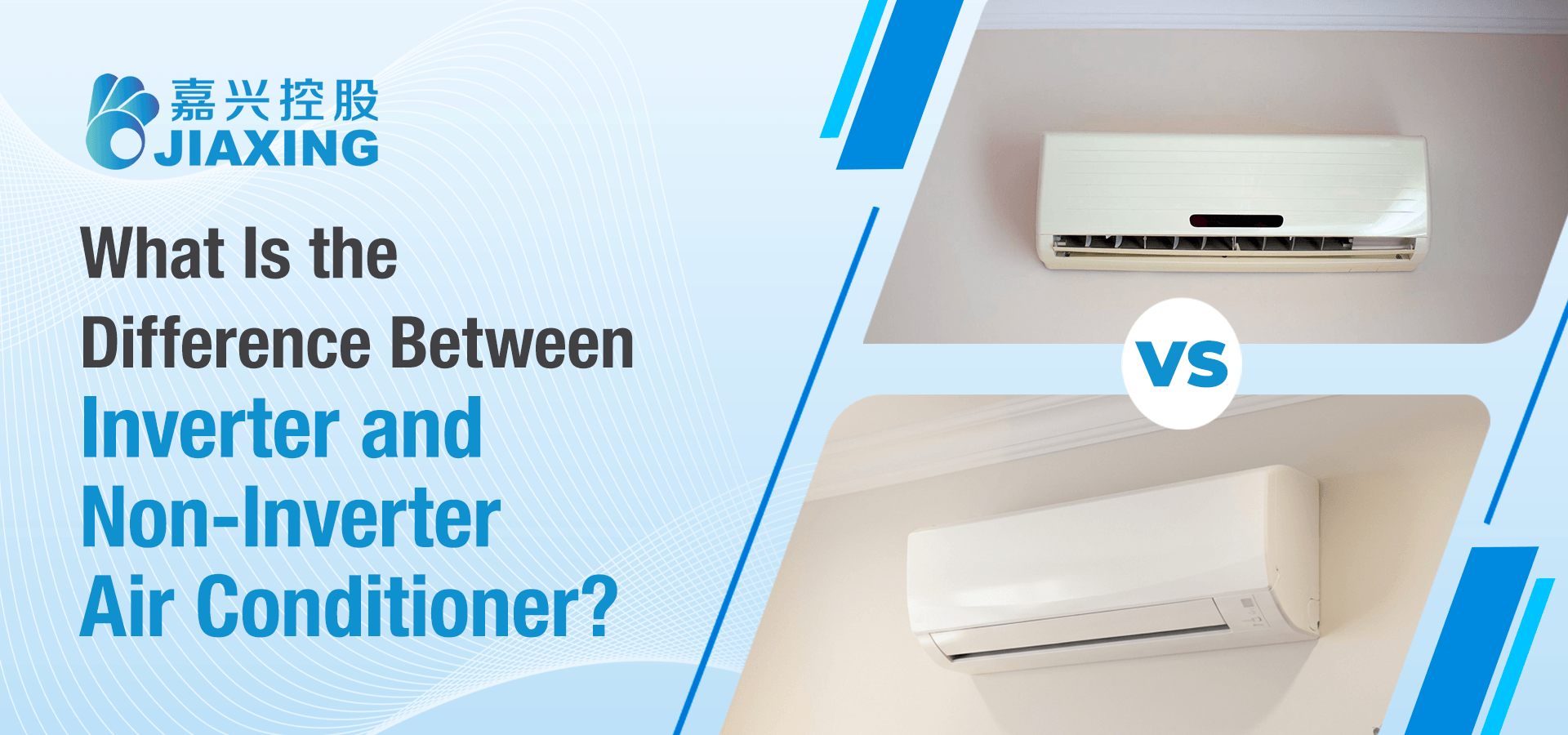
28 Apr What Is the Difference Between Inverter and Non-Inverter Air Conditioner?
When you plan to buy a new air conditioner, you will likely start by doing some research. Very quickly, you will come across two common terms: inverter and non-inverter aircon. At this point, you might wonder what the difference is and which one is the better choice for your needs.
In Singapore’s hot and humid climate, choosing the right air conditioner is not just about cooling your space. It also affects your electricity bills, long-term savings, and overall comfort. With rising energy costs, it becomes even more important for you to choose an energy-efficient system.
By understanding the difference between inverter and non-inverter air conditioners, you can make a smarter decision based on your usage, budget, and cooling needs. In this guide, we will explain how each aircon system works, compare their performance, and help you decide which option is best for your home or office.
Table of Contents
What Is An Inverter Aircon?
An inverter air conditioner uses smart technology to control how fast the compressor runs, instead of simply switching it on and off. When you turn it on, the unit will work harder at the beginning to cool the room quickly. Once the desired temperature is reached, it does not shut down. Instead, it slows down and continues running at a lower speed to maintain that temperature.
This makes inverter aircon units more energy-efficient and ideal for long hours of use, especially in Singapore where you may leave your aircon running overnight or throughout the day.
Example:
Imagine you set your aircon to 24°C. An inverter unit will cool the room quickly at first, then reduce its speed and maintain a steady 24°C without constantly stopping and restarting. This not only saves electricity but also keeps the room more comfortable.
How an Inverter Aircon Works
- Compressor speed adjusts based on cooling needs
The inverter system detects the room temperature and adjusts the compressor speed accordingly. If the room is still hot, it runs faster. Once the temperature is close to your setting, it slows down to avoid using extra energy.
- Maintains a stable and consistent temperature
Because the unit does not keep turning off, you will not feel sudden changes in temperature. The cooling stays smooth and consistent, which is especially noticeable during sleep or long working hours.
- Reduces energy wastage over time
Traditional aircon units consume more power when restarting. Since inverter systems avoid frequent start-stop cycles, they use less electricity in the long run, making them more cost-efficient for daily use.
What Is A Non Inverter Aircon?
A non-inverter air conditioner, often referred to as a conventional aircon, uses a fixed-speed compressor that operates in a simple start and stop cycle. Unlike inverter systems, it does not adjust its speed based on the room temperature. Instead, it either runs at full power or shuts off completely.
This type of aircon is usually more affordable to purchase, which makes it a popular choice for those with a lower budget or for spaces that do not require long hours of cooling. However, because of its operating style, it tends to use more electricity over time, especially with frequent usage.
Example:
If you set your aircon to 24°C, a non-inverter unit will run at full power to cool the room. Once it reaches 24°C, it will stop completely. When the temperature rises again, it will turn back on at full power. This cycle keeps repeating, which can lead to noticeable temperature fluctuations and higher energy consumption.
How a Non-Inverter Aircon Works
- Runs at full power during operation
The compressor always operates at maximum capacity whenever it is turned on. This helps cool the room quickly but uses more electricity each time it starts.
- Shuts off once the temperature is reached
After reaching the set temperature, the system stops entirely instead of slowing down. This creates a pause in cooling until the room starts to warm up again.
- Repeats the on and off cycle
As the temperature rises, the aircon restarts at full power. These repeated cycles not only consume more energy but may also cause slight temperature changes that you can feel, especially during longer use.
Key Differences Between Inverter and Non-Inverter AC
| Aspect | Inverter Aircon | Non-Inverter Aircon |
| Energy | More efficient | Higher usage |
| Temperature | Stable | Fluctuates |
| Noise | Quieter | Louder |
| Durability | More durable | More wear |
| Cost | Higher upfront, lower long-term | Lower upfront, higher long-term |
Understanding the key differences will help you choose the right system based on your needs.
1. Energy Consumption
Inverter: More energy-efficient due to continuous operation and speed adjustment
Non-inverter: Higher electricity usage due to frequent start-stop cycles
2. Temperature Control
Inverter: Provides stable and consistent cooling
Non-inverter: Temperature fluctuates due to repeated on-off operation
3. Noise Level
Inverter: Quieter operation with smooth performance
Non-inverter: Louder due to compressor restarting frequently
4. Durability
Inverter: Less wear and tear on components
Non-inverter: More mechanical stress due to constant switching
5. Cost
Inverter: Higher upfront cost but better long-term savings
Non-inverter: Lower initial price but higher running cost
Advantages of Inverter Air Conditioner
An inverter air conditioner is a popular choice for modern homes and offices due to its efficiency and comfort.
- Saves electricity in long-term use: Ideal for daily usage, helping reduce monthly electricity bills
- Provides consistent comfort: Maintains a steady temperature without sudden changes
- Quieter and smoother operation: Suitable for bedrooms, offices, and quiet environments
- Better for long hours of usage: Efficient even when used throughout the day
Advantages of Non-Inverter Air Conditioner
Despite being less advanced, non-inverter systems still have their benefits.
- Lower purchase price: More affordable for those with a limited budget
- Simple maintenance: Easier to repair and maintain due to simpler technology
- Suitable for short or occasional use: Ideal for rooms that are not used frequently
Which One Should You Choose?
Choosing between an inverter vs non-inverter aircon depends on your lifestyle, usage, and budget.
- Based on usage hours
If you use air conditioning for long hours daily, an inverter system is more cost-efficient. For short or occasional use, a non-inverter may be sufficient.
- Based on budget
If you prefer lower upfront cost, a non-inverter aircon is a practical choice. However, inverter systems offer better savings over time.
- Based on room size and cooling needs
Larger rooms or spaces that require consistent cooling will benefit more from inverter technology.
Cost Comparison Between Inverter and Non-Inverter Air Conditioners (Short-Term vs Long-Term)
When comparing inverter and non-inverter air conditioners, cost should not only be measured by the purchase price.
- Initial cost vs electricity savings
Non-inverter aircon units are cheaper to buy, but inverter systems help save more on electricity bills over time
- Why inverter may be more cost-effective over time
Although the upfront investment is higher, the long-term savings from reduced energy consumption often make inverter air conditioners the better financial choice
In Singapore’s climate, where air conditioning is frequently used, investing in an energy-efficient inverter system can lead to noticeable savings within a few years.
Conclusion
Understanding the difference between inverter and non-inverter air conditioners is essential before making a purchase. While non-inverter aircon units offer a lower initial cost, inverter air conditioners provide better energy efficiency, comfort, and long-term savings.
If you are looking for consistent cooling, quieter performance, and lower electricity bills, an inverter aircon is the ideal choice. However, if your usage is minimal or budget is a concern, a non-inverter system can still meet your basic needs.

Not Sure Which Aircon to Choose?
Looking for the best inverter or non-inverter air conditioner for your home or office? Jiaxing Aircon is here to help you choose the right aircon in Singapore based on your needs and budget. Contact us today for professional advice, installation, and reliable aircon services.
Sorry, the comment form is closed at this time.